
Ledger® Live Wallet— Getting Started™ | official Ledger™
Ledger Live Login supports a secure wallet management experience by combining compatible Ledger hardware with account access, device verification, and essential security procedures.
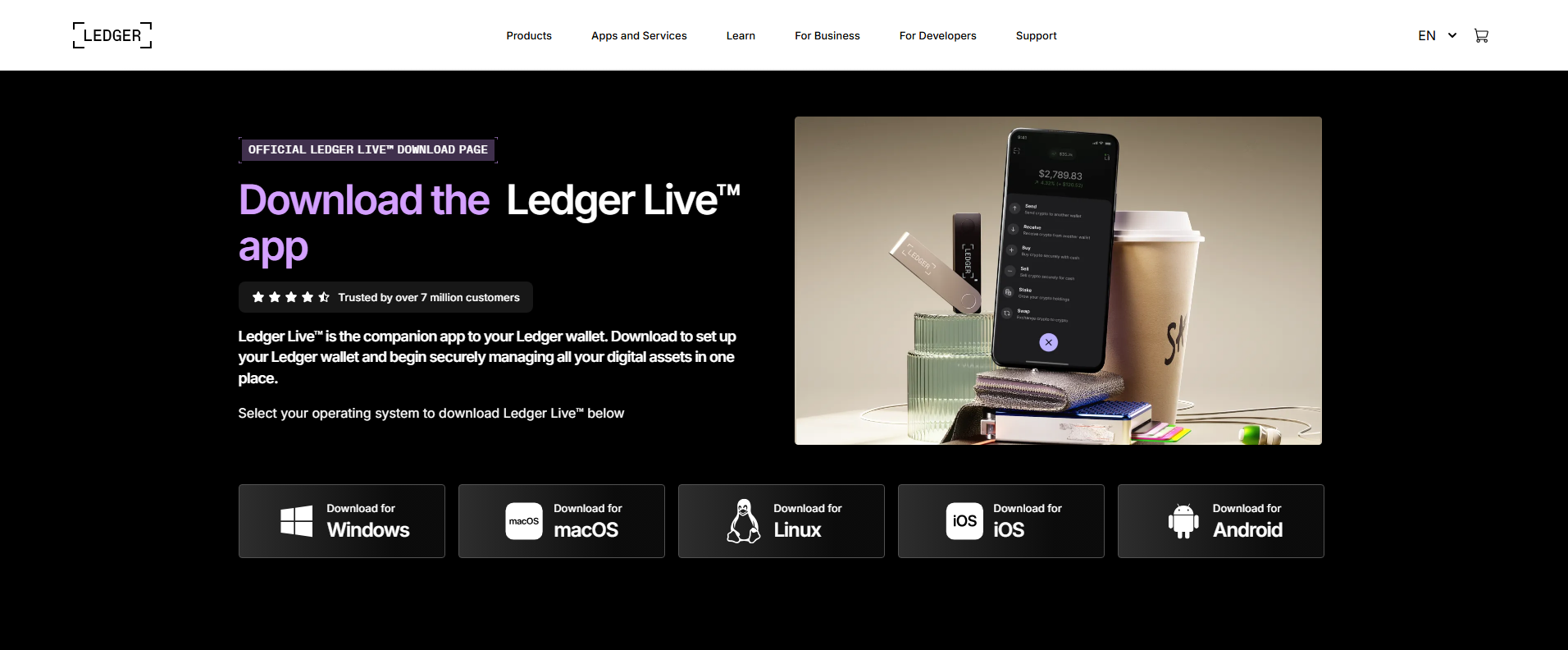
Ledger Live Login: A Complete Guide to Secure Wallet Access and Management
Managing cryptocurrency securely requires more than simply opening a wallet application and viewing a balance. Users need to understand how wallet software, hardware devices, account information, transaction approvals, and security credentials work together. Ledger Live provides an interface for managing supported cryptocurrency accounts alongside a compatible Ledger hardware wallet.
The term “Ledger Live login” can sometimes create confusion because hardware-wallet management does not work exactly like signing into a conventional online banking account. Understanding how access, device verification, and wallet security operate can help users avoid common mistakes and recognize suspicious login or recovery requests.
What Is Ledger Live Login?
Ledger Live is designed to provide an interface for managing supported cryptocurrency accounts and interacting with compatible Ledger hardware wallets. Depending on the feature being used, access may involve opening the application, connecting a physical device, and confirming actions directly on that device.
Unlike a conventional website account where a username and password may provide access to financial information, a hardware-wallet setup relies heavily on the physical device and its security mechanisms. This distinction is important for anyone learning how Ledger Live works.
Understanding How Wallet Access Works
A hardware wallet separates the management interface from the protection of sensitive transaction credentials. Ledger Live can display account information and help users perform supported wallet-management tasks, while the hardware device is used to authorize important operations.
This approach means that users should not assume they need to enter a recovery phrase into a login page. A request for a recovery phrase, PIN, or other confidential wallet information should be treated as a serious security warning.
Preparing for Ledger Live Access
Before opening Ledger Live, users should make sure they are using the correct software obtained through a trusted source. Downloading wallet applications from random websites, advertisements, unsolicited emails, or social-media messages can expose users to counterfeit software.
The Ledger hardware wallet should also be available when a feature requires device verification. Users should inspect the physical device and make sure they recognize the computer or connection being used.
Taking a few moments to verify the environment can prevent avoidable security problems later.
Connecting the Ledger Hardware Wallet
When a compatible Ledger device is connected, users may need to unlock it using the device's PIN. The desktop application can then communicate with the hardware wallet for supported functions.
The physical device plays an important role because sensitive authorization is not intended to depend solely on what is displayed on a computer screen. For important actions, the hardware wallet provides an additional confirmation stage.
Users should never give their device PIN to another person, including someone claiming to be technical support.
Why the Recovery Phrase Is Different From a Login Password
One of the most important concepts for new hardware-wallet users is understanding the difference between ordinary login information and recovery information.
A recovery phrase is highly sensitive because it can be associated with restoring access to wallet accounts under supported recovery procedures. It should therefore remain private and protected.
A legitimate support interaction should not require a user to reveal the complete recovery phrase through a website, chat, email, phone call, or form. If a supposed login page asks for it, users should stop immediately and verify the situation through trusted documentation.
Checking Accounts After Access
Once the wallet application is available, users can review supported cryptocurrency accounts and portfolio information. Account balances and transaction history can help users monitor their assets without repeatedly interacting with blockchain explorers or separate services.
Users should remember that the displayed information is an interface to blockchain-related data. The desktop application does not replace the role of the hardware wallet in protecting the credentials required for transaction authorization.
Reviewing Account Information Carefully
Regular account reviews can be useful for identifying unfamiliar activity. Users can monitor balances, recent transactions, and account information to develop a better understanding of their normal wallet activity.
If an unexpected transaction appears, users should investigate it rather than assuming that the application has simply made an error.
Keeping software updated and maintaining a secure computer environment can also support safer wallet management.
Ledger Live Login and Transaction Security
Logging into or opening wallet software is only one part of cryptocurrency security. Transactions require even more attention because blockchain transfers can be difficult or impossible to reverse.
Before approving a transaction, users should review the destination address, amount, asset, and relevant network information. When transaction details appear on the physical hardware device, those details should be checked carefully before approval.
If the information on the device differs from the intended transaction, the transaction should not be confirmed until the difference is understood.
Recognizing Fake Ledger Login Pages
Fake login pages are a common phishing technique across financial and cryptocurrency services. Attackers may create websites that use familiar names, logos, colors, or terminology in an attempt to appear trustworthy.
A suspicious page may claim that an account has been locked, a wallet requires verification, or security credentials must be entered immediately.
Users should be especially cautious when a message creates urgency or threatens loss of access unless immediate action is taken.
Never enter a recovery phrase simply because a website uses familiar Ledger-related wording.
Avoiding Fake Support Messages
Cryptocurrency users may receive messages from individuals claiming to be wallet representatives, account specialists, or security agents. These contacts should not automatically be trusted.
Legitimate troubleshooting should be based on verified support documentation and trusted channels. Users should never send private wallet credentials to strangers or allow another person to control their computer during a sensitive wallet operation without independently verifying the request.
If someone asks for a recovery phrase to “synchronize,” “validate,” or “restore” a wallet, the request should be treated as suspicious.
Keeping the Wallet Environment Secure
Wallet security also depends on the computer and internet environment surrounding the hardware device. Users should keep their operating system and relevant wallet software updated and avoid installing unknown programs.
It is also sensible to avoid performing sensitive cryptocurrency operations on public computers. Browser extensions, downloaded applications, and unexpected pop-ups should be treated carefully because malicious software can interfere with normal wallet activity.
A hardware wallet adds an important layer of protection, but good security habits remain necessary.
Common Ledger Live Login Mistakes
New users can sometimes mistake hardware-wallet management for a traditional online account login. Other common mistakes include downloading unofficial applications, entering recovery information into websites, approving transactions without checking the hardware device, and trusting unsolicited support messages.
Another mistake is keeping recovery information in an easily accessible digital location. Security depends not only on the wallet device but also on how carefully its recovery information is protected.
What to Do If Login or Access Seems Unusual
If something unexpected appears while opening or using Ledger Live, users should avoid entering sensitive information or approving unfamiliar requests.
Instead, they can close suspicious prompts, disconnect the hardware wallet when appropriate, and consult trusted documentation to determine the next step.
If a message or website requests a recovery phrase, PIN, or other confidential information unexpectedly, users should not provide it simply to regain access.
Developing Safer Ledger Live Habits
Secure wallet management becomes easier when good practices are repeated consistently. Users should obtain software from trusted sources, protect recovery information, keep the hardware device under their control, and verify important transactions directly on the physical device.
It is also helpful to slow down when a message creates urgency. Taking a few extra moments to check a website, application, transaction, or support request can prevent costly mistakes.
Final Thoughts
Ledger Live provides a convenient interface for managing supported cryptocurrency accounts with a compatible Ledger hardware wallet. Understanding the difference between opening wallet software and authenticating a traditional online account can make the Ledger Live login experience easier to understand.
The strongest approach combines careful software sourcing, hardware-device verification, recovery-phrase protection, transaction review, and awareness of phishing attempts. By treating wallet credentials as confidential and using the physical device as an important verification layer, users can build safer habits for managing cryptocurrency through Ledger Live.
Updated about 9 hours ago