
Getting™ Started | Ledger® Live: Desktop® — official
Ledger Live Desktop offers a streamlined approach to desktop crypto management, helping users connect their Ledger device, view account activity, monitor assets, and manage supported applications.
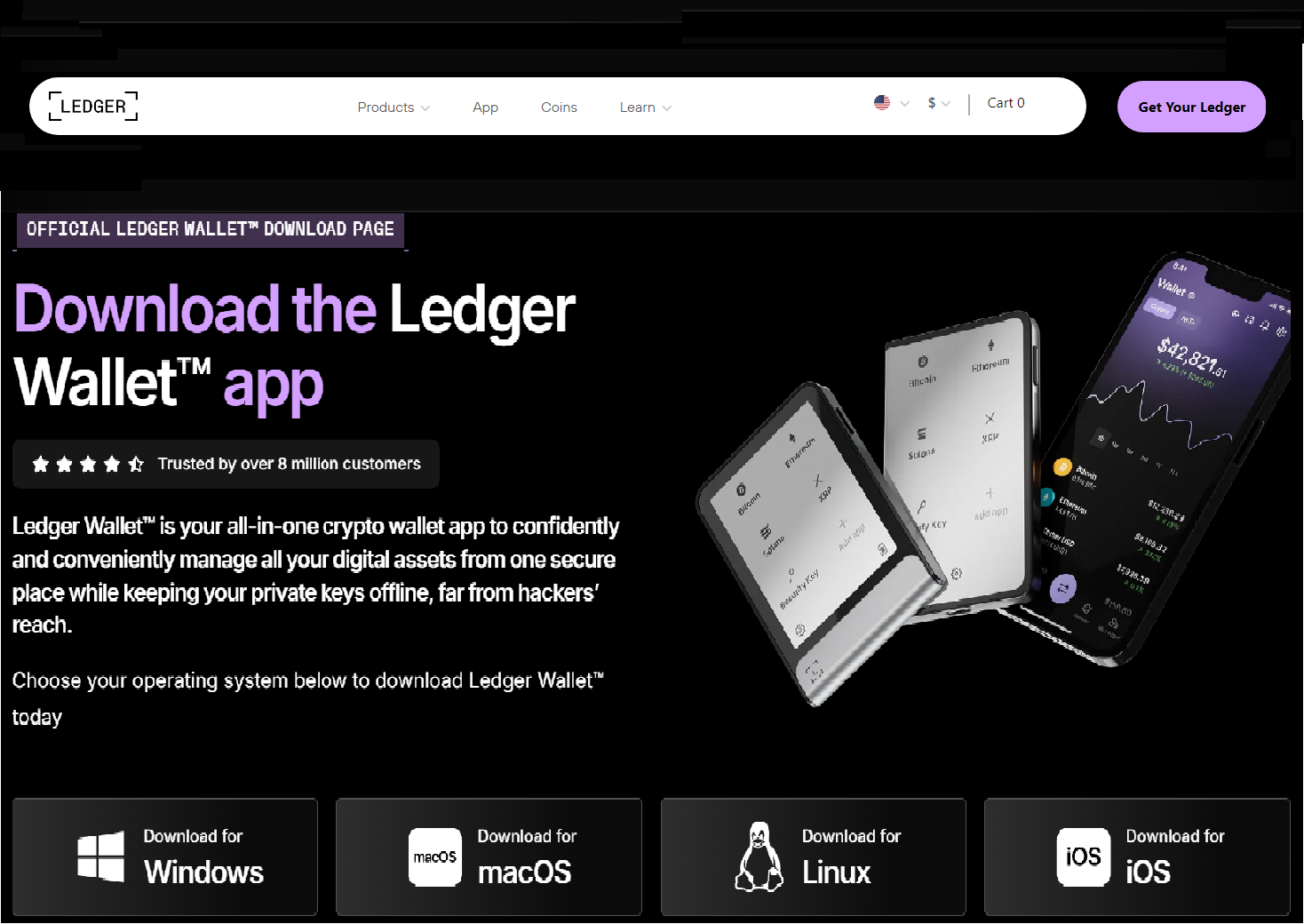
Ledger Live Desktop: A Complete Guide to Secure Crypto Management
Managing cryptocurrency from a computer can become easier when wallet software provides a clear interface for accounts, assets, applications, and transaction activity. For users who rely on a Ledger hardware wallet, Ledger Live Desktop is designed to provide a desktop environment for interacting with supported assets while keeping transaction authorization connected to the physical device.
A hardware wallet and its companion software serve different purposes. The desktop application provides the interface used to view accounts and manage supported blockchain applications, while the hardware device is used to protect sensitive wallet credentials and confirm important actions. Understanding how these components work together can help users create a more organized and security-conscious crypto management routine.
What Is Ledger Live Desktop?
Ledger Live Desktop is desktop wallet-management software associated with Ledger hardware wallets. It provides an interface where users can view supported cryptocurrency accounts, monitor balances, install compatible blockchain applications, and prepare transactions for approval.
The application itself should not be confused with the hardware wallet. The desktop software acts as the management interface, while the connected hardware device provides an additional security layer for sensitive operations. This separation is an important part of understanding how a hardware-wallet setup works.
Why Use a Desktop Wallet Management Application?
A desktop environment can make cryptocurrency management more convenient for users who prefer working from a larger screen. Instead of relying entirely on a mobile interface, users can organize accounts, review portfolio information, and interact with supported wallet features from a computer.
Ledger Live Desktop can also make routine wallet administration easier to follow because account information and available management tools are presented within one interface. However, convenience should always be balanced with careful security practices.
Preparing Before Using Ledger Live Desktop
Before beginning, users should make sure their Ledger hardware wallet is available and functioning correctly. A suitable USB connection, compatible computer, and reliable internet connection may also be necessary depending on the operation being performed.
It is important to obtain wallet software through a trusted source rather than downloading applications from advertisements, unsolicited messages, or unknown websites. Fake wallet applications can be designed to imitate legitimate interfaces and may attempt to collect sensitive information.
Users should also avoid sharing their recovery phrase, device PIN, or other confidential wallet information with anyone claiming to provide technical assistance.
Connecting a Ledger Hardware Wallet
Once the desktop software is installed through a trusted source, the hardware wallet can be connected to the computer according to the device's instructions. The physical device may require the user to unlock it before certain functions become available.
The connection between the application and the hardware wallet allows the desktop interface to communicate with the device when appropriate. Sensitive authorization remains associated with the hardware wallet rather than simply being exposed through the computer interface.
Understanding the Recovery Phrase
The recovery phrase is one of the most important parts of a hardware-wallet setup. It can be used to restore access to wallet accounts under supported recovery procedures, which means it should be treated as highly confidential information.
A recovery phrase should never be entered into a website, email form, chat window, or unsolicited support page. Legitimate troubleshooting should not require users to disclose their complete recovery phrase to another person.
Keeping the recovery information offline and protected from unauthorized access is an essential part of responsible wallet management.
Managing Cryptocurrency Accounts
After connecting the hardware wallet, users may be able to create or manage supported cryptocurrency accounts through the desktop application. Different blockchain networks can require different applications or account structures.
Organizing accounts by asset or purpose can make regular management easier. Users should also understand that displayed balances depend on blockchain data and network activity, rather than the desktop application independently storing the underlying cryptocurrency.
The hardware wallet is primarily involved in protecting the credentials required to authorize transactions.
Installing and Managing Blockchain Applications
Certain cryptocurrency networks require their corresponding applications to be installed on a compatible hardware wallet before accounts or transactions can be managed.
The desktop interface can provide tools for handling these applications. Users should pay attention to compatibility requirements and available device storage before installing additional applications.
Keeping applications and wallet software reasonably up to date can also help maintain compatibility and access to supported features.
Receiving Cryptocurrency Safely
Receiving digital assets may appear straightforward, but address verification remains important. Before sharing or using a receiving address, users should carefully review the information presented by their wallet software.
For higher-value transfers, checking the address on the physical hardware device can provide an additional verification step when supported. This can help reduce the risk of approving or sharing an address that has been altered by malicious software.
Users should also confirm that the selected blockchain network matches the asset being transferred.
Reviewing Transactions Before Approval
Sending cryptocurrency requires particular attention because blockchain transactions are generally difficult or impossible to reverse after confirmation.
A safer workflow involves reviewing the destination address, asset, amount, and applicable network information before approving the transaction. The physical Ledger device can provide an additional confirmation stage, allowing users to verify transaction information before authorizing it.
If something displayed on the hardware wallet does not match the intended transaction, the approval should be stopped until the discrepancy is understood.
Protecting Ledger Live Desktop From Phishing
Phishing remains one of the major risks associated with cryptocurrency management. Attackers may create websites, advertisements, emails, social media profiles, or support messages that imitate legitimate wallet services.
A common warning sign is a request for confidential information. Users should never provide their recovery phrase or device credentials because someone claims that an account needs verification, recovery, synchronization, or security confirmation.
Unexpected urgency is another warning sign. Messages demanding immediate action should be treated carefully rather than trusted automatically.
Keeping the Desktop Environment Secure
Wallet security is not limited to the hardware device. The computer used to manage cryptocurrency should also receive appropriate security attention.
Users should keep their operating system updated, avoid installing suspicious programs, use reputable security tools, and be cautious with browser extensions and downloaded files. A secure hardware wallet can still be placed at risk if the surrounding environment is poorly maintained.
It is also useful to avoid performing sensitive wallet operations on unfamiliar or publicly accessible computers.
Common Ledger Live Desktop Mistakes
New users can sometimes make avoidable mistakes during wallet management. These may include installing software from an untrusted source, ignoring transaction details, sharing recovery information, using an unfamiliar computer, or approving a transaction without reviewing it carefully.
Another common mistake is assuming that the desktop application alone provides complete security. Hardware-wallet protection works best when users understand the relationship between the application, physical device, recovery information, and transaction confirmation process.
Checking Information on the Physical Device
The physical hardware wallet should remain an important part of the verification process. When the device displays transaction information, users should compare it with what they intended to perform.
This additional verification step is valuable because a computer can potentially be affected by malicious software. Confirming critical information directly on the trusted hardware device can help users detect inconsistencies before authorizing an action.
Building Better Wallet Security Habits
Good security practices become more effective when they are consistent. Users should maintain control over their recovery information, carefully verify transactions, download software only from trusted sources, and remain skeptical of unsolicited support requests.
It is also useful to review wallet activity regularly. Unexpected transactions, unfamiliar account activity, or unusual software behavior should be investigated rather than ignored.
What to Do When Something Looks Wrong
If the wallet application behaves unexpectedly, users should avoid rushing through prompts or approving unfamiliar requests. Disconnecting the device and reviewing the situation carefully can be safer than continuing through an uncertain process.
For technical problems, users should rely on trusted documentation and verified support channels instead of contacting individuals who approach them through unsolicited messages.
Most importantly, confidential wallet information should remain private throughout the troubleshooting process.
Final Thoughts
Ledger Live Desktop can provide a convenient desktop environment for managing supported cryptocurrency accounts alongside a Ledger hardware wallet. Its role is primarily to provide the interface for account management, portfolio viewing, blockchain applications, and transaction preparation, while the physical device adds an important layer for protecting transaction authorization.
The safest experience comes from understanding how these components work together. By obtaining software from trusted sources, protecting recovery information, reviewing transactions carefully, verifying important details on the hardware device, and remaining alert to phishing attempts, users can develop a more responsible approach to desktop-based cryptocurrency management.
Updated about 9 hours ago